
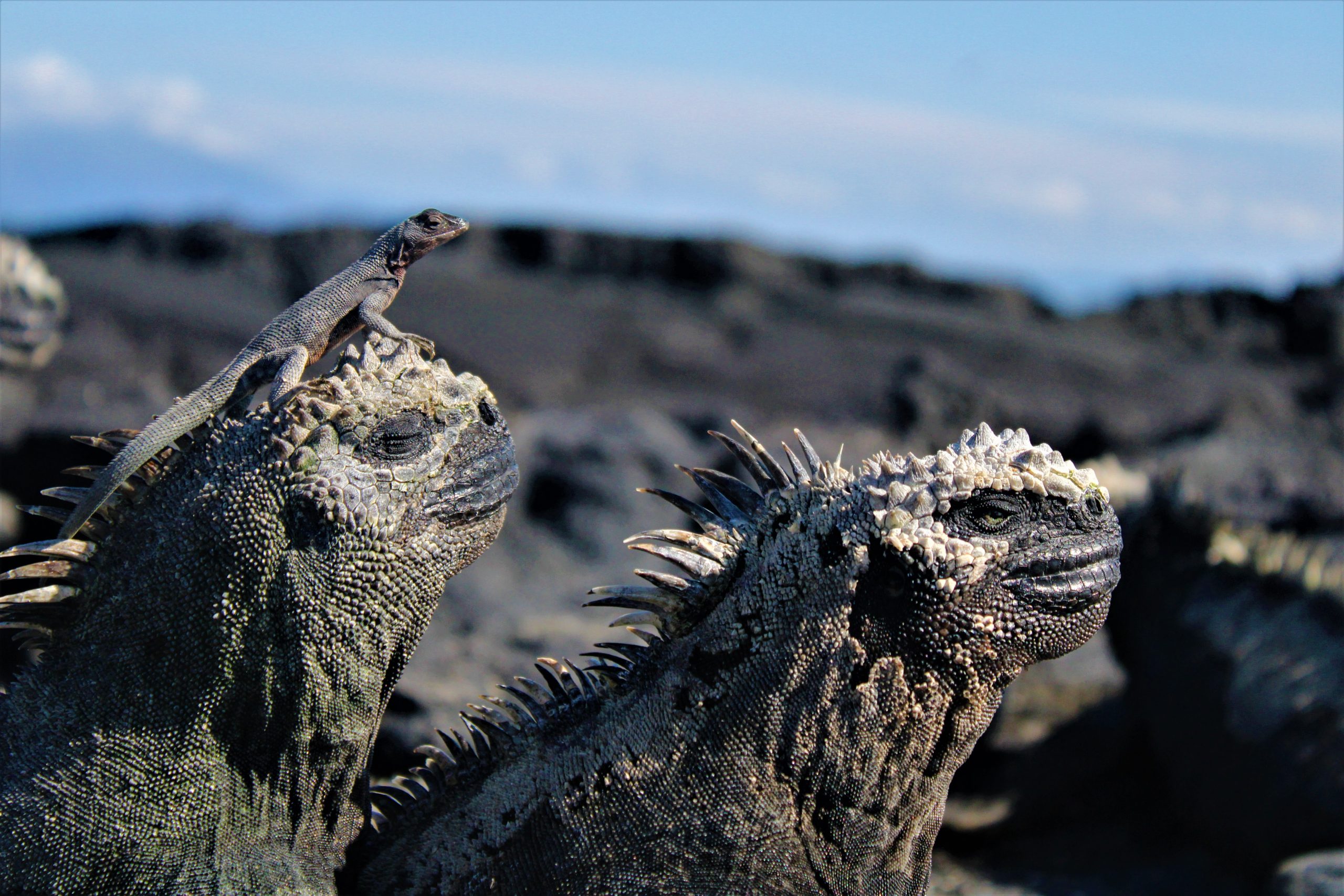
Floreana Island (also known as Charles Island or Santa María) is one of the most mysterious, fascinating, and undervisited destinations in the Galapagos archipelago. While tourists flock to Santa Cruz and San Cristóbal, Floreana remains a quieter, more intimate experience — a place where dark history, spectacular wildlife, and genuine remoteness combine to create something truly unforgettable. If you’re researching what to do in the Galapagos in 2026, Floreana Island should be at the top of your list.
The Dark History of Floreana Island
In the early 1930s, Floreana Island was the setting for one of the most bizarre and unsolved mysteries in the history of the Galapagos — a story so strange that it has been the subject of documentaries, books, and podcasts for nearly a century.
In 1929, a German physician named Friedrich Ritter arrived on Floreana with his companion Dore Strauch, having abandoned their respective spouses in Germany. They declared themselves disciples of Nietzsche and sought to create a utopian, self-sufficient existence far from civilization. News of their experiment attracted international media attention.
In 1932, a German family — the Wittmers (Heinz, Margret, and their son) — arrived on Floreana seeking a fresh start. Shortly after, a self-proclaimed Austrian “Baroness” named Eloise von Wagner Bousquet arrived with her two German lovers and declared herself the “Queen of the Galapagos,” planning to build a luxury hotel called Hacienda Paradiso.
What followed was an extraordinary tale of conflict, jealousy, power struggles, and mysterious deaths. By 1934, the Baroness and one of her lovers had simply disappeared — vanished without trace. The other lover died of apparent starvation on a distant island. Friedrich Ritter died from eating contaminated chicken. Only Margret Wittmer survived, living on Floreana until her death in 2000 at age 95. She claimed to know what happened to the Baroness but took her secret to the grave.
The mystery of what happened on Floreana in 1934 has never been officially solved. The story was popularized internationally by the Netflix documentary “Galapagos Affair: Satan Came to Eden” (2014), which caused a +400% surge in searches for Floreana Island on Google Trends.
Post Office Bay: The World’s Most Unusual Mail System
One of the most charming and historically significant attractions on Floreana is Post Office Bay, located on the northern coast of the island. In the late 18th century, British whalers erected a wooden barrel here to serve as a makeshift post office. Sailors would leave letters and postcards in the barrel for homebound colleagues to pick up and hand-deliver — no stamps, no postage, no postal service.
The tradition continues today, two centuries later. Visitors leave postcards in the barrel and sort through the existing pile, taking any addressed to somewhere near their home to hand-deliver when they return. It is one of the most charming travel traditions in the world and a genuine piece of living maritime history.
Wildlife on Floreana Island
Aside from its extraordinary human history, Floreana is a spectacular wildlife destination. Some of the most remarkable species encounters in the Galapagos happen here:
Flamingo Lagoon
Floreana is home to one of the most accessible and beautiful flamingo lagoons in the Galapagos. A short walk from the coast, a brackish lagoon hosts a colony of the striking Caribbean flamingo — their shocking pink color contrasting brilliantly against the black lava rock and blue sky of the Galapagos.
Sea Turtle Nesting Beaches
Floreana has several beaches where Galapagos green sea turtles come ashore to nest between January and April. Visiting a nesting beach at night to watch female turtles lay their eggs is one of the most profound wildlife experiences available in the Galapagos.
The Galapagos Mockingbird
The Floreana Mockingbird is one of the rarest birds in the world. Once abundant on Floreana, it was driven to extinction on the main island by introduced cats and rats and now survives only on two tiny offshore islets — Champion and Gardner. Snorkeling trips to Champion Islet offer the extraordinary experience of seeing this critically endangered bird, which was instrumental in Darwin’s development of his theory of natural selection.
Snorkeling at Devil’s Crown
Devil’s Crown (Corona del Diablo) is a partially submerged volcanic crater just off the coast of Floreana, and one of the top snorkeling and diving spots in the entire Galapagos. The strong currents that sweep through the crater attract an extraordinary diversity of marine life: white tip reef sharks, Galapagos sharks, eagle rays, hawksbill turtles, sea lions, schools of tropical fish, and occasionally hammerhead sharks.
How to Get to Floreana Island
Floreana is accessible by day trip from Santa Cruz Island or as part of a Galapagos cruise itinerary. Day trip boats depart from Puerto Ayora (Santa Cruz) in the early morning and return in the evening. Travel time is approximately 2 hours each way by speedboat. It is also possible to stay overnight on Floreana — the small village of Puerto Velasco Ibarra has a handful of basic guesthouses, giving you the rare experience of a night on one of the least-visited inhabited islands in the Galapagos.
The Wittmer Legacy: A Family That Refused to Leave
The Wittmer family became the most enduring human presence in Floreana’s modern history. After surviving the dark events of the 1930s, Margret Wittmer wrote a memoir called “Floreana: A Woman’s Pilgrimage to the Galapagos” which became an international bestseller. Her descendants still live on Floreana today, running the small local hotel and providing tours. Meeting members of the Wittmer family and hearing their perspective on Floreana’s history is one of the most unique cultural experiences in the Galapagos.
Frequently Asked Questions
A historic mail barrel set up by British whalers in the late 18th century, where visitors still leave postcards for other travelers to hand-deliver near their home — a tradition that continues over two centuries later.
Floreana is reached by day trip boats departing from Puerto Ayora on Santa Cruz Island, or as part of a multi-day Galápagos cruise itinerary.
Floreana has a dark 1930s history involving mysterious disappearances among its early European settlers, along with the multigenerational Wittmer family who refused to leave the island.
Visit Floreana with GalaApp
GalaApp offers day trips to Floreana Island from Santa Cruz as well as cruise itineraries that include Floreana as a stop. Our local guides have deep knowledge of Floreana’s history, wildlife, and the best spots that most tourists never find. Contact us to add Floreana to your Galapagos itinerary.
Experience Isla Floreana with a Local Expert
Discover the wildlife, history, and unique beauty of Floreana firsthand. Our guided Galápagos tours make it unforgettable.
